
Introduction
The Shichida Method—developed to stimulate right- and left-brain potentials in early childhood—focuses on memory, creativity, intuition, and fast perception through short, high-quality sessions and rich sensory experiences. For parents in Barnaul who want practical, evidence-aware ways to strengthen their child’s cognitive and creative skills, this guide outlines age-appropriate activities, daily rhythms, how to choose programs locally, and sensible precautions.
Core principles (what the Shichida approach emphasizes)
— Short, frequent sessions that respect infants’ attention spans.
— Whole-brain stimulation: visual imagery, pattern recognition, auditory discrimination, and emotional engagement.
— Active parent involvement and a nurturing, low-pressure atmosphere.
— Multi-sensory materials and fast-paced but playful presentation.
— Focus on developing photographic memory, creative thinking, and fast information processing through repetition and novelty.
Age-by-age practical activities
Below are simple activities you can do at home in Barnaul with no special equipment.
0–6 months
— Flash-listen moments (30–60 seconds): show a high-contrast card or picture while speaking calmly—use one new image per short session.
— Gentle rhythmic sounds: soft clapping, bells, or simple songs to build auditory discrimination.
— Tummy time with toys at different visual distances to strengthen tracking.
6–18 months
— Rapid image exposure (1–2 minutes): show sequences of colorful simple images and name them with expressive voice. Keep it playful and stop if the child loses interest.
— Picture-based storytelling: use single-page images to create tiny stories; encourage pointing and imitation.
— Object permanence games: hide-and-seek with toys to boost working memory and prediction.
18–36 months
— Fast associative games: show pairs (cat—meow, sun—bright) rapidly and then ask for matches.
— Imagery drawing: ask the child to draw a simple image you describe briefly; encourage unique outcomes.
— Simple memory chains: start with two items and add one each round.
3–6 years
— Mental picture training: describe an object quickly and ask the child to draw or select it from several options.
— Creativity rounds: give a random object and ask five different uses for it.
— Story expansion: begin a one-sentence tale and have the child add one sentence, alternating turns.
Sample 20–30 minute session (for ages 3–5)
— Warm-up (3 min): quick song, clapping, and eye contact.
— Flash imagery (3–5 min): show 8–12 images at 1–2 seconds each, ask one or two questions after.
— Active game (8–10 min): associative matching or creative-use challenge.
— Quiet creative time (5–8 min): drawing or telling a short story.
— Wind-down (2–3 min): praise, hug, and review one fun thing they learned.
Weekly focus plan (example)
— Monday: Visual memory and imagery
— Tuesday: Auditory discrimination and language rhythm
— Wednesday: Creative problem solving and open-ended play
— Thursday: Pattern recognition and sequencing
— Friday: Multi-sensory exploration (textures, sounds, movement)
— Weekend: Unstructured free play and outdoor exploration (crucial for resilience and curiosity)
Ten practical activities you can start today
1. Rapid flash cards of familiar objects (short and enthusiastic).
2. “What’s missing?” tray game—remove one item quickly; child identifies it.
3. Mirror mimicry—make faces/gestures and have child imitate.
4. Sound scavenger hunt—identify hidden sounds around the home.
5. One-minute story—child tells a story from a single picture.
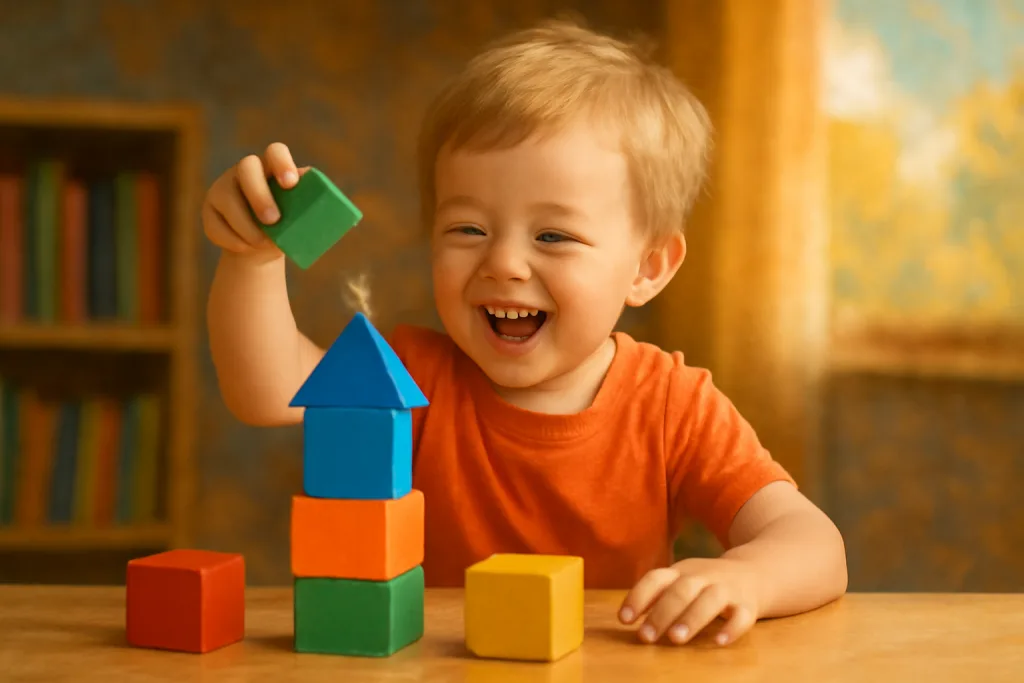
6. Pattern building with blocks—copy and then create your own.
7. Memory walks—describe a room quickly, then ask what changed.
8. Scent recognition—odor jars (safe, familiar smells) for sensory mapping.
9. Fast sequencing—order three images into a cause-effect chain.
10. “Five uses” game for random household items to boost divergent thinking.
What to look for in a local Shichida-style program in Barnaul
— Short sessions with clear age segmentation and a playful atmosphere.
— Teachers who invite parent participation and explain home practice.
— Trial classes or observation opportunities so you can see methods in action.
— Balanced approach—activities should not feel like pressure or rote drills.
— Positive reviews or recommendations from local parenting communities (VK groups, Telegram channels, or Instagram pages focused on Barnaul families).
Search tips in Russian to find local resources:
— «Метод Шичида Барнаул»
— «Развитие ребенка раннее Барнаул занятия»
— Look for local parenting groups: «родители Барнаула», «мамы Барнаула» on VKontakte and Telegram.
Safety, balance, and realistic expectations
— Short, joyful sessions are more effective than long, forced practice. Respect attention spans.
— The Shichida approach emphasizes potential development, not guarantees. Results vary widely between children.
— Balance structured sessions with free play, physical activity, adequate sleep, and social time—these are all essential for brain development.
— Watch for signs of stress or boredom; learning should be positive and not punitive.
How to evaluate a teacher or center
— Ask about credentials and experience with early childhood education.
— Request class observation or trial session.
— Ask how they adapt to different temperaments and learning speeds.
— Check whether they integrate play, movement, and parent education—not just flash cards.
Resources and next steps for parents in Barnaul
— Attend a trial class or community playgroup to observe teaching style.
— Join local parenting forums (VK, Telegram, Instagram) to ask other parents for experiences.
— Start simple home routines: 5–15 minutes, 3–5 times a week, focusing on variety and joy.
— Keep notes on what engages your child—this helps tailor future sessions.
Frequently asked questions
Q: At what age should we start?
A: Many Shichida-inspired activities begin in infancy, but the most important factor is developmentally appropriate interaction—start with very short, sensory-rich moments and increase complexity with age.
Q: How much time per day?
A: Short and frequent beats long and forced. Aim for several blocks of 3–15 minutes depending on age and tolerance.
Q: Will this make my child a genius?
A: No method guarantees genius. The Shichida approach aims to enhance memory, creativity, attention, and perceptual speed; combined with nurturing, sleep, nutrition, and free play, it can support stronger cognitive development.