
Introduction
Early childhood is a window of enormous potential. The Shichida Method—developed by Dr. Makoto Shichida—focuses on nurturing both cognitive and creative abilities in the critical early years. If you live in Barnaul, Russia, you can combine this method’s structured right-brain stimulation with our local environment to give your child a lively, joyful start to learning.
What is the Shichida Method?
The Shichida Method is an early-learning approach that emphasizes:
— *Right-brain development* through imagery, rapid recognition, and whole-picture learning;
— *Multisensory stimulation* using flashcards, music, rhythm, and guided relaxation;
— *Parental involvement* as a daily habit rather than a classroom-only activity.
It targets memory, intuition, creativity, attention, and observational skills, especially in children from birth to around 6–7 years.
Key benefits parents notice
— Faster recognition of patterns and images
— Improved concentration and listening skills
— Enhanced creativity, imagination, and story-making
— Better memory for faces, places, and daily routines
— A more confident, curious approach to learning
Note: benefits vary by child; scientific evidence on all claims is mixed, but many families report meaningful, practical improvements when consistent practice is combined with warm parenting.
Who it’s for
— Newborns to preschoolers (0–6 years) get the most benefit.
— Activities scale by age: newborn sensory play → toddler flashcard games → preschool rapid observation & creative storytelling.
— Ideal for parents who are ready to practice short daily sessions at home and attend a program or workshop.
What a typical Shichida-style session looks like
— Warm-up: rhythmic songs or simple breathing (1–2 minutes)
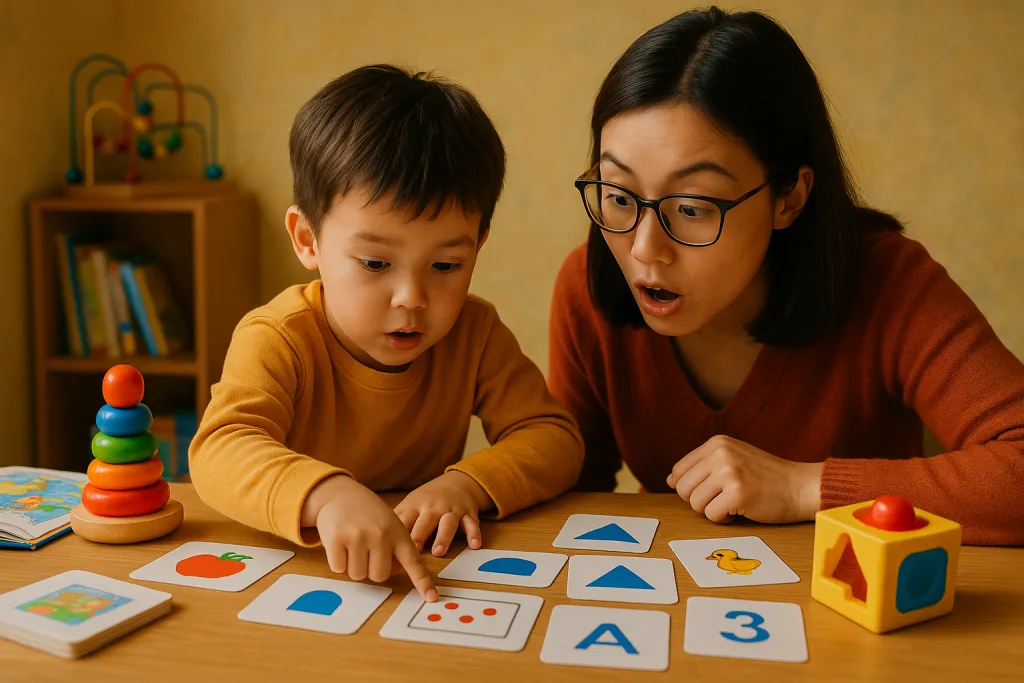
— Flashcards or picture cards: quick, calm presentation to encourage instant recognition (5–10 minutes)
— Creative activity: drawing, guided imagery, or storytelling (10–15 minutes)
— Closing: gentle relaxation and praise (2–3 minutes)
Sessions are brief, frequent, and fun—quality and consistency beat length.
Practical Shichida-inspired activities you can do in Barnaul
— Flashcard walks along the Ob River embankment: show a card, ask the child to spot a real-life match (color, shape, animal).
— Sensory winter play: compare textures—snow, pine needles, cloth—while narrating and using images.
— Creative-imagery storytelling at Gagarin Park or a local playground: ask your child to imagine a character and expand the story together.
— Music and rhythm in the home: play classical pieces or folk tunes; encourage simple movement to patterns.
— Picture-photo memory game: take family photos during weekend outings in Barnaul and review them as “memory cards.”
— Language-rich routines: narrate everyday actions (dressing, cooking) with expressive language to build associative memory.
Sample weekly micro-routine (15–20 minutes per day)
— Monday: Flashcard recognition + 5-minute storytelling
— Tuesday: Sound and rhythm play with music + movement
— Wednesday: Nature observation walk + picture matching
— Thursday: Creative drawing inspired by a story
— Friday: Parent-and-child memory/photo review
— Saturday: Longer playful session at a park (30 min)
— Sunday: Gentle review and relaxation exercises
How to choose a Shichida program in Barnaul
Ask any center:
— Are your instructors *Shichida-certified*? Ask to see credentials.
— What is the class size and age grouping? (Smaller groups = more individual attention.)
— Do you include parent training and take-home activities?
— Can I observe a trial lesson? Are trial classes free or low-cost?
— How do you measure progress, and what realistic milestones should I expect?
— Health & safety policies for equipment and toys.
Search tips: use Russian queries like «метод Шичиды Барнаул» or check local parenting groups and community pages for recommendations and recent parent feedback.
Measuring progress and setting expectations
— Expect small, steady changes (attention span, curiosity, faster recognition).
— Track progress with simple logs: new words remembered, number of story details recalled, or speed of card recognition.
— Avoid comparing to other children—each child develops at their own pace.
Safety, ethics, and evidence
— The best programs combine play, loving interaction, and structured stimuli.
— Shichida techniques emphasize short, positive sessions—avoid pressure or long repetitive drills.
— While anecdotal reports are strong, research is mixed; the overall consensus in early childhood education supports enriched, multisensory environments and active parental engagement.
Frequently asked questions
— How soon can I start? From birth—simple sensory stimulation works for infants.
— How long until I see results? Some improvements may appear in weeks; consistent practice over months yields clearer changes.
— Is it compatible with Russian preschool/kindergarten? Yes—Shichida skills (attention, memory, creativity) complement formal education.
Next steps in Barnaul
— Visit local early-childhood centers and ask about Shichida or right-brain programs.
— Join regional parenting groups or social media communities to learn about upcoming workshops and trial lessons.
— Try the sample micro-routine above for 4–6 weeks and note small wins—then consider enrolling in a local program or private instruction.
Closing
The early years in Barnaul are an opportunity—by blending the Shichida approach with local walks, parks, and family routines, you can create a rich environment that nurtures your child’s cognitive and creative potential. Start small, stay consistent, and enjoy the discovery together.
For a practical next step: try a five-minute daily flashcard routine this week and plan a short nature-observation walk this weekend—look for textures, colors, and shapes to discuss with your child.