
Introduction
The earliest years of life are a unique window for shaping attention, memory, imagination and problem-solving. In Barnaul, families who want to support exceptional early learning are increasingly exploring the Shichida method — a structured approach to stimulating both hemispheres of a child’s brain through short, focused activities. This article explains what Shichida is, how it can help cognitive and creative development, and practical, locally relevant ways parents in Barnaul can use its principles at home and when choosing programs.
What is the Shichida Method?
Developed by Dr. Makoto Shichida, the method emphasizes early right-brain stimulation combined with left-brain learning. It uses multisensory activities—visual flash stimulation, right-left development, music, story imagination, pattern recognition, and relaxed, enjoyable practice—to strengthen memory, concentration, intuitive thinking and creativity in children, especially from infancy through preschool years.
*Note:* While many parents report striking improvements, benefits vary by child. Use the method as a supportive enrichment, not as a cure-all.
Why the early years matter
— Brain plasticity is highest in the first 0–6 years; experiences shape neural pathways.
— Short, frequent, emotionally positive activities build attention, neural networks, and willingness to learn.
— Combining structured stimulation with free play and nature (plenty of which Barnaul and nearby Altai landscapes provide) supports balanced development.
Key benefits for cognition and creativity
— Improved short-term and associative memory
— Enhanced concentration and task persistence
— Faster pattern recognition and visual processing
— Greater imaginative capacity and storytelling ability
— Better right-left coordination and sensory integration
These are potential outcomes when training is consistent, age-appropriate and paired with a nurturing home environment.
Core Shichida practices (what you’ll see)
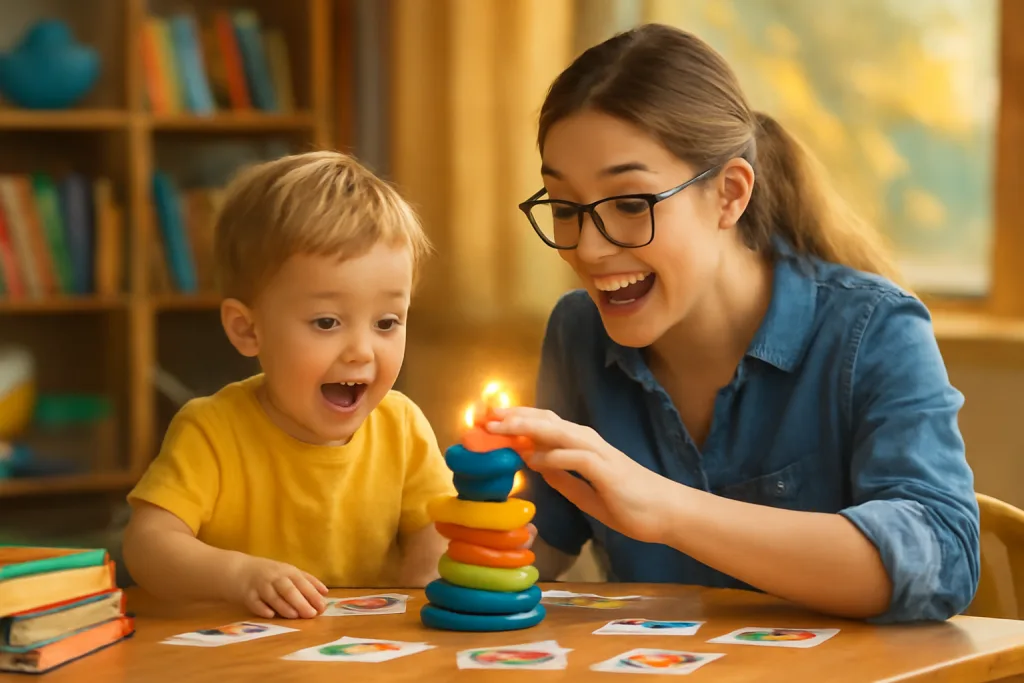
— Flashcard sessions: very short visual presentations to train fast visual processing and photographic/recognition memory
— Listening & music: rhythmic and melodic exposure to develop auditory memory and emotional regulation
— Right-brain visualization: guided imagery and imaginative storytelling to strengthen creativity and intuitive thinking
— Right-left and sensory activities: coordination tasks, bilateral movements and tactile exploration
— Quick, varied sessions: multiple short moments daily rather than long, tiring lessons
How parents in Barnaul can apply Shichida principles at home
— Keep sessions short and fun: 2–5 minutes for babies, 5–15 minutes for preschoolers, several times a day.
— Use local context: narrate walks in Central Park or along the Ob River; ask imaginative “what-if” questions about Altai animals or folk tales.
— Make visual decks: homemade picture cards with clear, high-contrast images (objects, animals, familiar places). Flash them briefly and praise attention.
— Music & rhythm: play a variety of music during playtime — classical, folk, and children’s songs in Russian — and use simple percussion for rhythm games.
— Guided imagination: before naps or bedtime, create short visualization stories (“imagine a bear picking honey on the Altai hill…”) to build vivid imagery skills.
— Encourage multi-sensory exploration: local markets, parks and seasonal nature walks are rich for tactile, scent and visual experiences.
— Keep a relaxed tone: Shichida emphasizes calm, happy sessions — avoid pressure or long repetitive drills.
Choosing a Shichida-style program in Barnaul
When evaluating local centers or tutors, consider:
— Certification & training: ask whether instructors have formal Shichida training or accredited early childhood education credentials.
— Class size: smaller groups or one-on-one sessions allow more individualized stimulation.
— Demo/trial lesson: reputable programs offer a trial so you can observe teaching style and child reaction.
— Age-appropriate curriculum: check the emphasis for your child’s age (infant, toddler, preschool).
— Parent involvement: the best programs teach parents how to continue activities at home.
— Reviews & references: ask for parent testimonials and observe children’s engagement during classes.
Tip: Search local parent groups on VK, Telegram or Facebook for recommendations and experiences with Barnaul centers. Community pediatricians or kindergarten teachers can also point to reputable options.
Sample 7-day micro-plan (for busy Barnaul families)
— Day 1: Morning 3-min flashcards (animals & objects), afternoon 10-min nature walk + talk about colors/shapes.
— Day 2: 5-min music/rhythm session; 5-min storytelling with imaginative ending.
— Day 3: 3-min flashcards (faces/expressions), tactile play with seasonal leaves or pinecones.
— Day 4: 10-min drawing session: ask child to invent an animal and describe it.
— Day 5: 5-min visualization before nap (guided story), night reading of a Russian folk tale.
— Day 6: 5-min left-right coordination games (clapping patterns), creative block-building.
— Day 7: Free play day—observe, then compliment creative choices; brief review flashcard game.
Measuring progress and setting realistic expectations
— Track small wins: longer attention span during a story, quicker recognition of pictures, more descriptive play.
— Keep notes: a simple weekly journal of activities and child reactions helps identify what works.
— Expect gradual change: meaningful gains take consistent practice over months.
— Balance is crucial: academic push should never replace social play, sleep, nutrition and emotional support.
Safety, ethics and evidence
— Avoid overstimulation: stop if the child is tired or disinterested.
— Combine with mainstream child care standards: vaccinations, developmental checkups and appropriate preschool preparation remain essential.
— Evidence: many parents and instructors report positive outcomes; rigorous scientific consensus is mixed. Use Shichida as one evidence-informed enrichment tool, not a guaranteed solution.
Conclusion — Bringing Shichida to life in Barnaul
The Shichida method offers practical, short, multisensory techniques that can enrich cognitive processing and imaginative skills when used thoughtfully. In Barnaul, parents have the advantage of rich natural surroundings and strong community networks to adapt these activities to local culture and language. Start small, look for reputable local instructors or parent groups, and focus on joyful, regular practice. The best outcome is a curious, confident child who loves to learn.
If you’d like, I can:
— Draft a printable weekly activity sheet tailored to your child’s age
— Suggest Russian folk tales and songs ideal for guided visualization
— Provide sample flash