
Introduction
The earliest years shape a child’s lifelong capacity to think, imagine and learn. In Barnaul, parents increasingly seek effective early-development approaches — and the Shichida method stands out for its structured yet playful focus on right-brain potential, memory, attention and creativity. This article explains what the Shichida approach offers, practical activities you can use at home, and how to find or evaluate programs in Barnaul.
What is the Shichida method?
Developed by Japanese educator Makoto Shichida, the Shichida method emphasizes early stimulation of both hemispheres of the brain — with particular exercises to strengthen right-brain functions such as:
— photographic memory and whole-picture perception
— creativity and imagination
— intuition and pattern recognition
— fast learning abilities
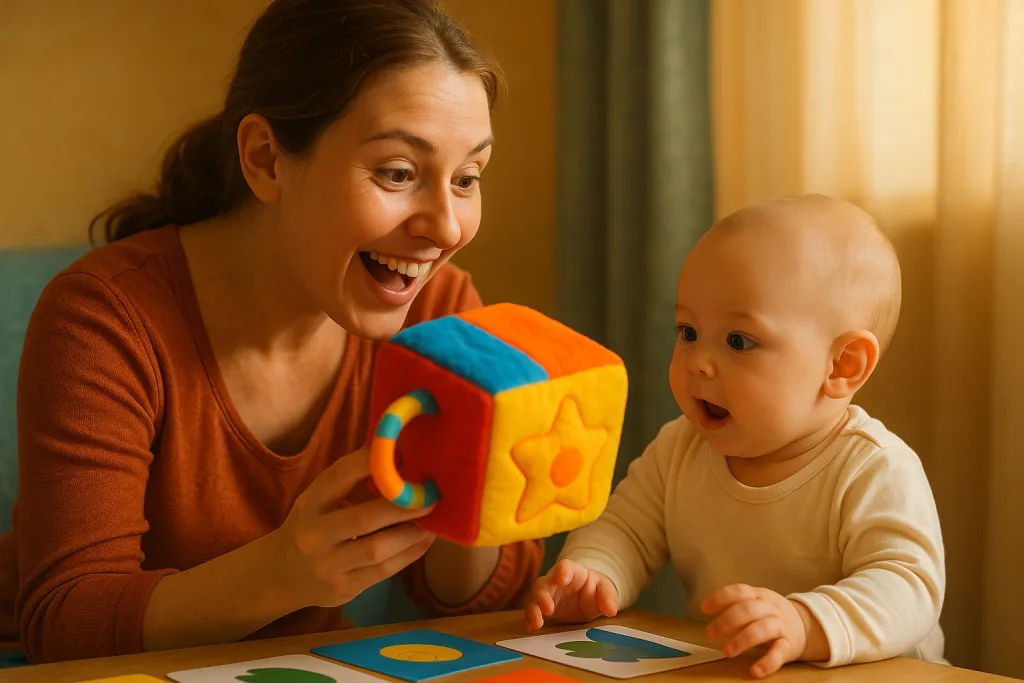
Sessions are short, varied, and rely heavily on visual, auditory and sensorimotor exercises delivered in a warm, playful environment. It’s designed for infants through preschool age, when neural plasticity is highest.
Key benefits for cognitive and creative development
Parents and educators choose Shichida-style activities because they can:
— Improve attention span and concentration in short, measurable steps
— Enhance memory and recall using visual and auditory cues
— Foster divergent thinking and fluency in creative problem solving
— Encourage curiosity, confidence and emotional resilience
— Build foundation skills for later reading, math and language learning
Note: Outcomes vary by child and by consistency of practice. The method supports development; it is not a guarantee of specific test scores or IQ increases.
Core principles and how they work
— Short, frequent sessions: 10–20 minutes multiple times per day for young children keeps focus high.
— Multisensory input: Visual flashcards, music, tactile play and storytelling stimulate different neural pathways.
— Right-brain training: Activities emphasize holistic imagery and quick recognition rather than step-by-step logic.
— Parental involvement: Caregivers model enthusiasm and guide sessions, strengthening attachment and learning.
— Play-first approach: Fun and variety keep motivation high and reduce stress.
Practical Shichida-inspired activities for home (materials available in Barnaul)
Simple, low-cost activities you can start today:
— Flash-image viewing (ages 0–5)
— Show a vivid, high-contrast picture for 1–3 seconds, then cover and ask the child to describe details. Use family photos, nature images or picture cards.
— Duration: 5 minutes per session.
— Picture-story rapid narration (2–6 years)
— Show a sequence of 3–5 images for a few seconds each. Ask the child to tell a one-sentence story that connects them. Encourages imagination and sequencing.
— Auditory memory and rhythm (0–4 years)
— Play short sound patterns (clapping, tapping, simple instruments). Repeat and have the child copy or point to the source. Enhances listening and working memory.
— Visualization and “mental movie” (3–6 years)
— Describe a colorful scene slowly and ask the child to picture it with closed eyes. After 10–20 seconds, ask them to draw or retell what they saw.
— Right/left and body-awareness games (1–5 years)
— Use playful commands (“Touch your left ear,” “Jump on your right foot”) to improve spatial awareness and neural coordination.
— Speed recognition games (3–6 years)
— Show cards of animals, numbers or shapes for a second and ask the child to name them. Start very slowly and increase speed as accuracy improves.
— Creative open-ended play (all ages)
— Loose parts (stones, fabric scraps, boxes), music, and dramatic play encourage divergent thinking and inventive storytelling.
Sample weekly micro-program (for busy families)
— Daily: 5–10 minutes of flash-image viewing + 5 minutes of auditory rhythm
— 3× weekly: 10 minutes visualization or mental movie exercise
— 2× weekly: 10–15 minutes creative open-ended play or building
— Weekend: 20–30 minutes family story-telling walk in Nagorny Park or by the Katun riverbank (fresh stimuli and conversation)
Choosing a Shichida or early-development center in Barnaul
If you prefer structured classes, look for these qualities:
— Certified instructors or training in Shichida principles — ask for credentials and lesson examples.
— Small groups with age-appropriate groupings (infant, toddler, preschool).
— Short session lengths and a focus on multisensory, playful content.
— Clear communication with parents: progress notes, activities to practice at home.
— Trial classes or observation opportunities before enrollment.
— Safe, clean facilities and friendly teacher–child ratios.
Search tips (in Russian): use phrases such as «метод Шичида Барнаул», «раннее развитие Барнаул», «курсы для малышей Барнаул». Local parenting groups on VKontakte or Telegram often share recommendations and reviews.
How to evaluate progress (non-invasive ways)
— Increased curiosity and willingness to try new tasks.
— Longer sustained attention on play or books.
— Improved capacity to retell short stories or recall pictures.
— More inventive play and richer pretend scenarios.
Keep notes or short video samples (with consent in group classes) to track changes every 4–6 weeks.
Safety and balance
— Avoid overstimulation: keep sessions short and watch for signs of fatigue or frustration.
— Prioritize sleep and unstructured play — these are essential for consolidation.
— Combine method-specific activities with regular outdoor time in Barnaul’s parks and cultural experiences (museums, libraries) for broad exposure.
Local enrichment opportunities in Barnaul
— Libraries and children’s sections frequently host story hours and art activities that complement Shichida-style imagination work.
— Museums and family-friendly exhibits provide rich, novel visual and auditory stimuli for visualization exercises.
— Parks and natural areas near the Ob River offer sensory-rich walks that support observation skills and storytelling.
Quick FAQ
— Is Shichida suitable for infants? Yes — many methods start with sensory stimulation and bonding activities from the first months.
— How long before I see results? Small gains in attention and curiosity can appear within weeks; stronger cognitive changes typically require consistent practice over months.
— Can I combine Shichida with regular preschool? Absolutely — the method is complementary and best when it supports play, language and social development.
Final tips for Barnaul parents
— Start small and make it joyful — consistency beats intensity.