
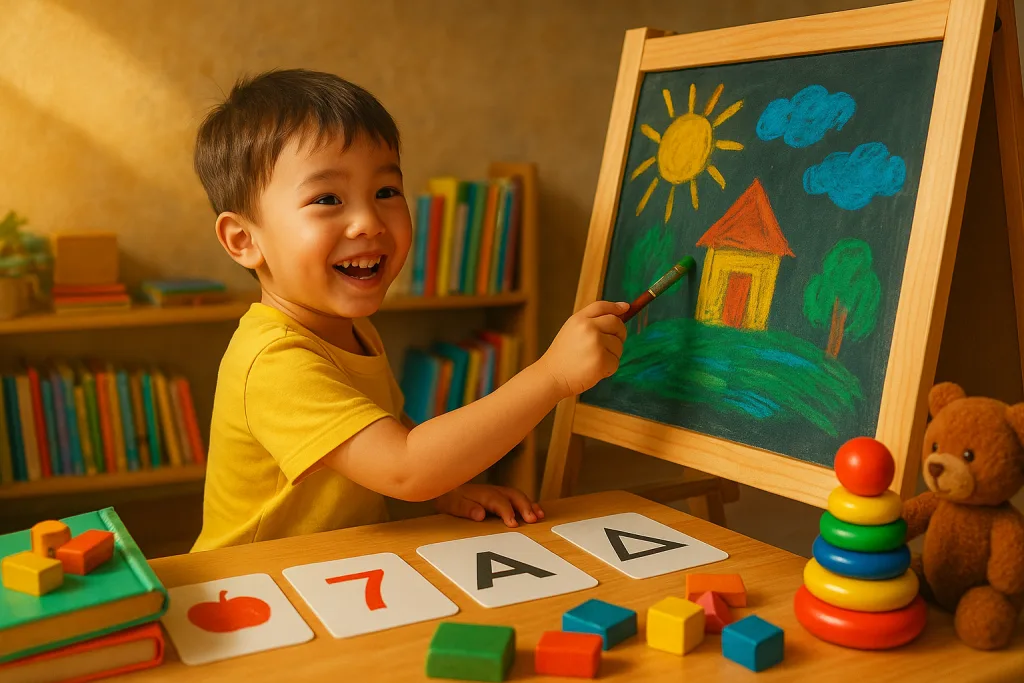
Why Barnaul parents are choosing the Shichida method
The first six years of life are a window of extraordinary brain flexibility. In Barnaul, increasingly busy parents want reliable, research-informed ways to nurture cognition and creativity in their children. The Shichida method—developed in Japan and widely used worldwide—focuses on stimulating both hemispheres of the brain through age-appropriate, playful activities. For families in Barnaul, it offers a structured yet gentle path to strengthen memory, imagination, attention, and creative problem solving.
What is the Shichida method? A quick overview
— Developed to maximize right- and left-brain potential in early childhood.
— Uses short, high-impact exercises: flash cards, imagery, auditory training, right-brain memory techniques, and creative tasks.
— Aims to improve concentration, photographic memory, speed of learning, and creative thinking through daily practice and a nurturing environment.
— Best applied between birth and about age 6, when neural plasticity is highest.
Benefits parents in Barnaul can expect
— Improved attention span and learning readiness for school.
— Enhanced visual and auditory memory, useful for language and reading.
— Strengthened creative thinking and imaginative play.
— Better parent–child bonding through daily structured interaction.
— Practical skills for problem solving and confident learning habits.
Practical Shichida-inspired activities you can start at home
Use Barnaul’s calm home environment, parks, and cultural venues to enrich learning.
Daily micro-sessions (10–20 minutes) work best for young children:
— Rapid flash imagery (5 minutes): Show bright, simple images for 1–2 seconds each and ask the child to recall details. Keep it playful.
— Auditory enrichment (5–10 minutes): Play varied music—classical, folk, and natural sounds—and ask your child to identify instruments or imitate rhythms.
— Story-imagination (10 minutes): Read a short story, then ask the child to close their eyes and picture scenes. Prompt with “What color was the house?” or “What sound did the river make?”
— Sensory play (15–20 minutes): Use water, sand, fabrics, and safe household textures to explore differences—this builds sensory discrimination and creativity.
— Rapid question rounds (5 minutes): Quick, fun questions that require imagination (“If the moon were a fruit, what fruit would it be?”) encourage flexible thinking.
Weekly structure idea:
— Monday: Flash imagery + sensory play
— Wednesday: Auditory day (music + sound games)
— Friday: Story-imagination + drawing/painting
— Weekend: Outdoor exploration (parks along the Ob River), museum visits, or creative craft projects
Simple tools to use in Barnaul homes
— Homemade flash cards with high-contrast images or family photos
— A small audio playlist with varied music and natural sounds
— A sketchbook and watercolor set for imaginative drawing
— Everyday objects for sensory bins (rice, pasta, safe beads)
— Use local materials—pinecones, river stones, birch leaves—for nature-based prompts
Choosing a Shichida center in Barnaul: what to look for
If you prefer guided classes, evaluate centers carefully:
— Teacher training: Ask if instructors are trained in the Shichida curriculum or certified by an official organization.
— Trial lesson: Reputable centers offer observation or trial classes—attend and watch teacher–child interactions.
— Class size and age grouping: Small groups (4–8 children) with clear age brackets provide individualized attention.
— Curriculum transparency: Request a sample weekly plan and examples of activities.
— Parent involvement: Good programs involve parents with home practice guidance.
— Safe, child-friendly space and clear scheduling options for working parents.
How to find options in Barnaul:
— Search Yandex.Maps and Google Maps for “Shichida Барнаул” or “метод Шичида Барнаул”.
— Check local parenting communities on VKontakte and Telegram; ask for recent parent reviews.
— Contact local children’s development centers and ask if they offer Shichida-style classes or workshops.
Measuring progress without pressure
— Keep short, positive records: note new words, longer focus periods, and more detailed drawings.
— Celebrate effort and curiosity rather than test scores.
— Progress can be subtle—consistency matters more than intensity.
Cultural fit: bringing Shichida to daily life in Barnaul
— Use local culture and surroundings: read Russian folktales, visit Barnaul museums, use regional music and nature to spark imagination.
— Integrate family traditions—grandparents’ stories are excellent for imagery and language development.
— Schedule activities around your family rhythm; short consistent sessions beat sporadic, long ones.
Quick checklist for parents ready to start
— Commit to 10–20 minutes daily of focused, joyful practice.
— Prepare 3–5 simple tools: flash images, music playlist, sketchbook, sensory items.
— Observe and adapt: follow your child’s interest and energy levels.
— Join local parent groups to swap ideas and resources in Barnaul.
Final thought and next steps
The Shichida approach is practical, playful, and well-suited to Barnaul families who want to nurture cognitive and creative abilities during early childhood. Start at home with short daily sessions, or explore local centers for guided classes. Book a trial lesson, join a parenting group in VK/Telegram, or begin today with a 10-minute imagery and music routine—consistency is the key to long-term gains.
Interested in a sample 7-day home plan or printable flash-image set tailored for 3–5 year olds? Reply with your child’s age and I’ll prepare one for you.