
Introduction
Early childhood (0–6 years) is a unique window for building the foundations of cognition, creativity, attention, and emotional resilience. The Shichida Method — a structured approach originating in Japan that emphasizes right- and whole-brain stimulation, rapid-image training, memory, and creative exercises — has been used worldwide by parents and educators to enrich early development. This article explains the method, offers practical activities you can use in Barnaul, and gives tips for finding and evaluating local programs.
What is the Shichida Method? (Quick overview)
— Focus: intensive, age-appropriate stimulation for babies and preschoolers, with strong emphasis on right-brain training (visualization, pattern recognition, intuition) alongside left-brain skills (language, logic).
— Techniques: flashcards/audio stimulation, rapid picture reading, memory games, visualization/“mental imaging,” creative play, and parent-led short daily sessions.
— Target ages: most effective 0–6 years, with adaptations for older children to support creativity and learning strategies.
*Note:* Scientific evaluations show mixed results; many benefits are consistent with best early-childhood practices—frequent positive interaction, rich sensory input, exposure to language and creative play. Approach the method as a set of constructive practices within a balanced parenting strategy.
Why it works (practical basis)
— Neural plasticity: young brains are highly adaptable; repeated, engaging inputs strengthen neural pathways.
— Multi-sensory learning: combining sound, sight, motion, and emotion accelerates memory and deeper processing.
— Parent-child bonding: structured, loving activities increase attention, emotional security, and motivation.
— Habit and attention training: short, focused exercises gradually lengthen attention span and working memory.
Practical Shichida-Based Activities for Barnaul Families
(Short, daily routines — 5–20 minutes depending on age)
1. Newborns–12 months
— Audio environment: soft classical music or rhythmic storytelling; use a calm daily soundtrack during naps and play.
— High-contrast cards: show simple black-and-white cards for brief intervals to stimulate visual tracking.
— Gentle “flash” of faces: a few seconds of a smiling face, then move on—supports face recognition and emotional cues.
2. 1–3 years
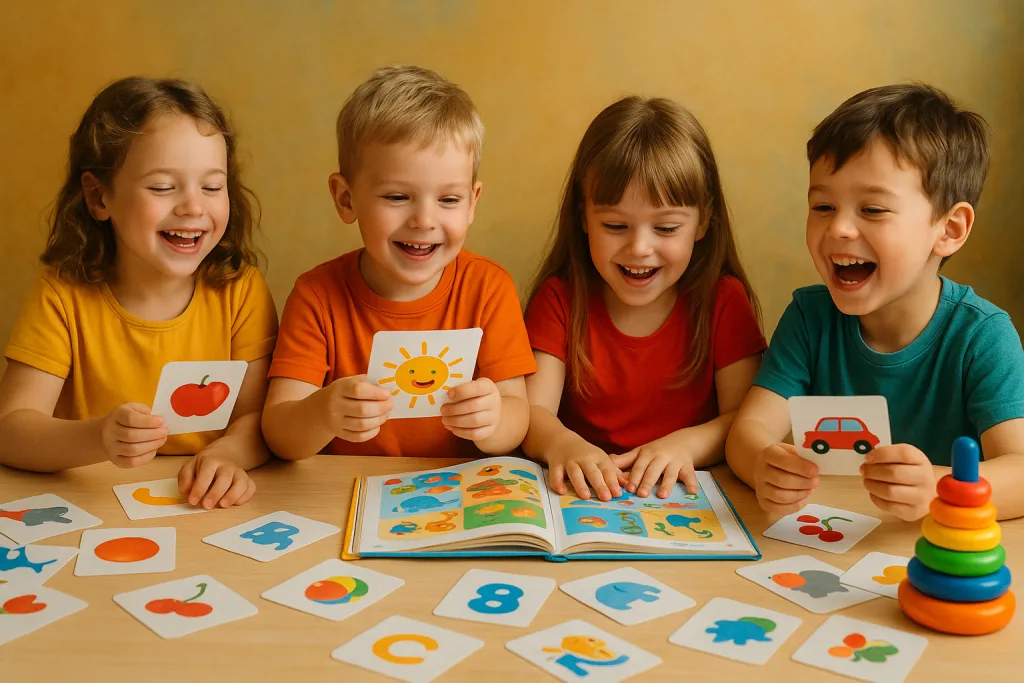
— Rapid-picture sessions (2–5 minutes): show vivid picture cards for 1–2 seconds each, then ask simple recall questions.
— Object-naming walks in parks: name colors, shapes, and textures during strolls in Barnaul’s green spaces.
— Sound discrimination games: identify environmental sounds (birds, river, tram) — local sounds help build real-world associations.
3. 3–6 years
— Visualization/“mental movie” practice: read a short story, then ask the child to close eyes and describe images they “saw.”
— Memory stacks: show 4–6 items quickly, then hide and ask child to list or draw them.
— Creative-story chain: start a 1-sentence story, let your child add the next sentence, alternate until it becomes a short imaginative tale.
— Speed math and pattern games: simple rapid-sequence counting, pattern completion with physical toys.
4. 6+ years (creative extension)
— Mental calculation and musical rhythm work to enhance processing speed.
— Project-based creative tasks (build a mini-model, write/illustrate a short comic) to encourage long-term sustained creativity.
Sample Weekly Micro-Schedule (for a 3–5 year-old)
— Monday: 5-min rapid-picture session + 10-min outdoor naming walk
— Tuesday: 10-min visualization/story session + 5-min memory stack
— Wednesday: 5-min sound discrimination + 15-min free creative play (drawing/building)
— Thursday: 10-min flashcard vocabulary + 10-min pattern games
— Friday: 15-min parent-child storytelling + museum/park trip (sensory exploration)
— Weekend: Longer family creative outing (Altai nature, museums, or local cultural events)
Adapting activities to Barnaul and the Altai region
— Use local sights and sounds: Barnaul parks, rivers, markets, and seasonal changes are rich stimuli.
— Nature-based sessions: gather leaves, stones, and flower textures for sorting and sensory games.
— Community resources: local libraries, exhibitions, and children’s museums make great settings for visualization and memory tasks.
— Cultural content: use Russian language songs, folk tales, and local stories to strengthen language and cultural identity.
How to Practice Safely and Effectively
— Keep sessions short and joyful — the goal is regular, positive engagement, not pressure.
— Use praise and curiosity, not correction. Celebrate attempts and creativity.
— Balance stimulation with restful downtime; the brain consolidates learning during sleep.
— If using flashcards or fast presentations, ensure content is age-appropriate and non-stressful.
Choosing a Shichida or Early-Development Program in Barnaul
Look for:
— Trained instructors who can explain methodology and show results from typical progress indicators (attention, memory, creativity).
— Trial lessons so you can observe teacher-child interaction and classroom atmosphere.
— Teacher qualifications, hygiene and safety standards, group size, and lesson duration.
— Parent involvement options: good centers involve parents and give home-practice guidance.
Search tips (use these Russian phrases in Yandex, 2GIS, VK, and local parenting groups):
— «Метод Шичида Барнаул»
— «раннее развитие Барнаул»
— «детский центр развитие памяти Барнаул»
Also check local VKontakte parenting groups, Barnaul community forums, and «яндекс.карты» or «2ГИС» listings and reviews.
Measuring Progress — What to Expect
— Early signs: longer attention span, improved recall, more vivid storytelling and imaginative play.
— Social and emotional benefits: increased confidence, curiosity, and cooperative play.
— Not a magic bullet: improvements are often incremental and achieved through consistent practice and enriched environment.
Common Questions from Parents
— How long until I see results? Small changes can appear in weeks; meaningful cognitive and behavioral changes typically develop over months with regular practice.
— Is it safe for infants? Yes, if activities are gentle, brief, and supportive. Avoid