
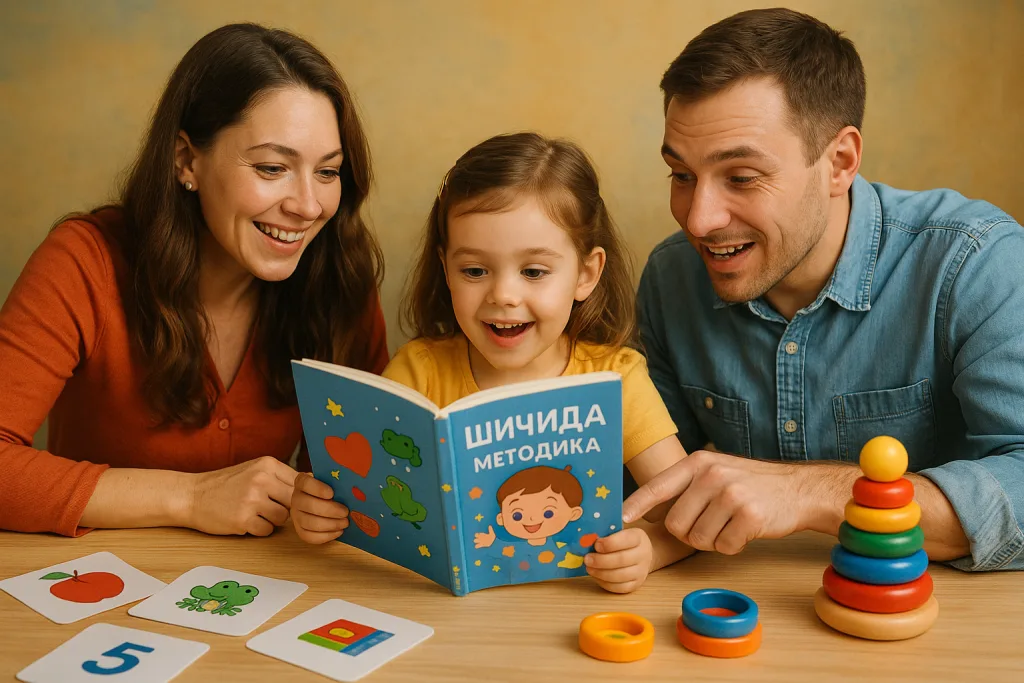
Introduction
Early childhood is a window of extraordinary potential. In Barnaul, parents increasingly look beyond traditional nursery programs to methods that actively cultivate a child’s cognitive and creative strengths. The Shichida Method — a structured approach originating in Japan that emphasizes right-brain development, memory, imagination, and emotional balance — offers practical tools for helping children aged 0–6 become confident, curious learners.
What the Shichida Method focuses on
The Shichida approach targets several key areas of early development:
— *Right-brain stimulation*: activities designed to enhance visual memory, pattern recognition, and holistic thinking.
— *Speed and accuracy of perception*: exercises that train quick, accurate responses to visual and auditory stimuli.
— *Creative imagination*: practice using stories, visualisation, and symbolic play to expand imaginative capacity.
— *Concentration and emotional regulation*: short, engaging tasks that increase attention span and foster calm focus.
— *Parent–child bonding*: training and home routines that make learning consistent and joyful.
Why parents in Barnaul are choosing Shichida
— It’s practical for busy families: many techniques are short, playful, and easy to integrate into daily routines.
— It complements preschool education and extracurriculars, not replaces them.
— It emphasizes creativity and intuition — useful for navigating future, uncertain careers.
— Local instructors and trial classes make it accessible in Barnaul; look for centers offering demos or parent orientation sessions.
Age-by-age activities you can start today
Simple, no-expensive tools are often the most effective. Here are activities tailored by developmental stage.
0–12 months
— Flash simple, high-contrast image cards briefly while saying the object name.
— Gentle baby massage and rhythmic music to support relaxation and body awareness.
— Short visualisation: after showing a toy, hide it and encourage the baby to find it.
1–2 years
— Show brief sequences of picture cards (animals, objects) and ask the child to point to the one you name.
— Encourage imaginative play with simple props; narrate scenes to expand vocabulary.
— Practice short listening games: identify a familiar sound and turn it into a story.
3–4 years
— Picture story building: show 3–4 images and invite the child to create a sequence and tell a story.
— Rapid recognition games: flash cards for 1–2 seconds and ask what was shown.
— Pattern and shape play using blocks and puzzles to strengthen visual-spatial skills.
5–6 years
— Memory mapping: look at a simple scene for 10 seconds, cover it, then ask questions about details.
— Speed reading foundations: large-picture book exploration, then brief tracking exercises.
— Creative problem-solving challenges that require multiple-step thinking and collaboration.
A sample weekly mini-plan (15–30 minutes/day)
— Monday: Flashcards + 5 minutes of story visualization.
— Tuesday: Imaginary play session with role prompts.
— Wednesday: Listening discrimination games + rhythmic movement.
— Thursday: Visual memory exercise (10–30 seconds) + drawing the memory.
— Friday: Pattern play with blocks/puzzles.
— Weekend: Family storytelling time and a nature observation walk.
Choosing a Shichida-like center in Barnaul
When evaluating local programs, look for:
— Certified instructors with experience or credentials in the Shichida method.
— Small group sizes and short activity cycles (children’s attention is limited).
— Parent education: centers that teach you how to continue activities at home.
— Trial classes or observation days so you can see methods in practice.
— Positive, nurturing environment with emphasis on play and creativity.
Search locally for “Шичида Барнаул” or “early right-brain development Барнаул” and check social media groups for parent reviews and trial offers.
Signs your child is benefiting
— Improved curiosity and willingness to try new tasks.
— Better short-burst attention during games and stories.
— Increasing imagination in play: richer stories, symbolic uses of toys.
— Enhanced visual recall: remembering faces, places, or sequences with fewer prompts.
— Greater calm and cooperation during short structured activities.
Common misconceptions
— It’s not about “making geniuses” overnight. The method builds habits of perception, memory, and creativity over time.
— It does not replace socialization or formal schooling — it prepares the brain to learn more effectively.
— Success is not measured only by testable memory feats but by a child’s confidence, creativity, and love of learning.
Tips for Barnaul parents to get started today
— Start with 5–10 minutes daily: consistency beats intensity.
— Keep sessions playful; end on a positive note.
— Rotate activities to avoid boredom and cover different senses (sight, sound, touch).
— Document progress: short videos or notes help you see small gains over weeks.
— Connect with a local parent group or center to share resources and ideas.
Where to go next in Barnaul
— Attend a free trial class or parent seminar to experience the method firsthand.
— Ask for instructor certification and a demo of age-specific exercises.
— Join local parenting communities or forums to find recommended Shichida-style programs and upcoming workshops.
Conclusion
In Barnaul, the Shichida method offers practical, research-aligned approaches to nurture your child’s memory, imagination, and focus during the most formative years. With short daily practices, supportive instructors, and an emphasis on joyful learning, families can help children build cognitive and creative strengths that last a lifetime.
If you’d like, I can draft a short checklist you can use when visiting Shichida-style centers in Barnaul or create a 7-day starter plan tailored to your child’s age. Which would you prefer?