
Introduction
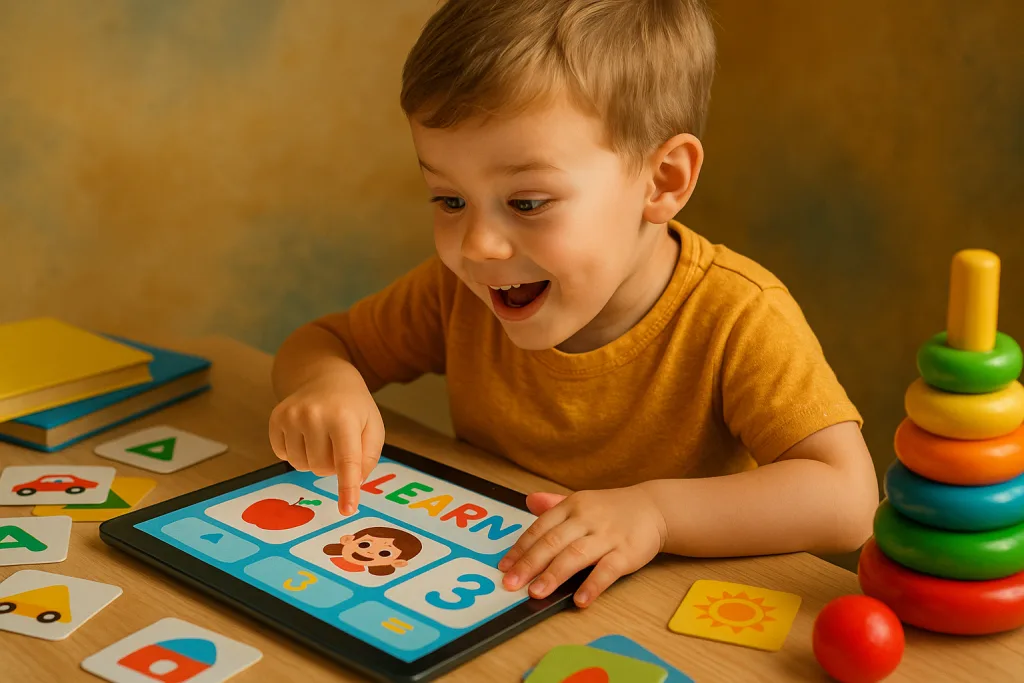
Early childhood is a unique window when the brain is most receptive to stimulation. The Shichida Method focuses on whole-brain development with exercises that stimulate memory, intuition, creativity, and attention. For parents in Barnaul (Барнаул), integrating Shichida-inspired activities at home or finding a certified instructor can help nurture cognitive and creative abilities in a playful, loving way.
What is the Shichida Method?
— Developed by Dr. Makoto Shichida in Japan, it emphasizes right-brain training alongside conventional left-brain skills.
— Key elements: rapid visual recognition (photographic-like memory training), auditory stimulation, rhythm and music, visualization, speed of processing, and parent-child interaction.
— Sessions are typically short, frequent, and multisensory—designed to fit into everyday family life.
Why it matters in early years
— Brain plasticity is highest from birth to about age 6; stimulation shapes neural connections.
— The Shichida approach aims to:
— Enhance memory and observation skills
— Improve concentration and quick information processing
— Foster imagination and creative problem-solving
— Strengthen emotional bonding through guided parent-child activities
How to adapt Shichida principles at home in Barnaul
You don’t need special equipment—just consistent, focused, and joyful interaction. Below are practical activities for different ages.
Age 0–6 months
— High-contrast flashcards for visual tracking (10–60 seconds daily).
— Gentle lullaby and rhythm exposure; sway to music.
— Mirror play to encourage self-awareness.
Age 6–18 months
— Rapid-image flashcards with simple objects or faces (5–10 cards per short session).
— Short storytelling with vivid imagery—use gestures and exaggerated expressions.
— Sensory play: varied textures, safe household objects, and outdoor exploration in parks like those in Barnaul.
Age 18 months–3 years
— “What’s missing?” sequences: show 3 objects, cover one briefly, ask the child to name the missing item.
— Creative art with open materials (safe paints, clay, collage) — focus on process, not product.
— Musical improvisation: simple drums, clapping games, call-and-response songs.
Age 3–6 years
— Picture instant recognition: flash series of images (animals, scenes) and ask questions to prompt memory and imagination.
— Story expansion: tell a short tale and ask the child to invent alternate endings or draw scenes.
— Early reading readiness with visual games, rhymes, and rhythm-based language games.
Sample weekly micro-plan
— Daily: 5–15 minutes of image flashcards + 10 minutes of sensory/movement play.
— Alternate days: 15–20 minutes of storytelling/art or music/improvisation.
— Weekend: Nature outing in a Barnaul park with a scavenger hunt—describe and imagine uses for found items.
Practical tips for Barnaul parents
— Use Russian-language materials and local images to make content culturally relevant; sprinkle in other languages if bilingual exposure is desired.
— Keep sessions short and frequent—young children respond better to regular micro-sessions than long lessons.
— Make it joyful: positive reinforcement, cuddles, and smiles matter as much as the exercises.
— Adapt to weather and routine—Barnaul winters may favor indoor tactile and auditory activities; summers are perfect for outdoor sensory exploration.
— Look for community: check local parenting groups, VK (ВКонтакте), or Facebook for Shichida-trained instructors in Барнаул or online classes.
Encouraging creativity specifically
— Open-ended play: provide materials without a prescribed purpose (boxes, fabrics, blocks).
— Role-play and storytelling: encourage children to invent characters and plotlines.
— Divergent questions: ask “What else could this be?” or “How many ways can we use this?” to expand thinking.
— Combine arts: music while drawing, storytelling with movement to stimulate cross-modal creativity.
Measuring progress (what to watch for)
— Increased curiosity and willingness to explore new materials or ideas.
— Longer focused play and improved ability to follow simple instructions.
— Faster recall of images, words, or recent events.
— More imaginative play scenarios and storytelling.
— Enhanced comfort with social interaction and expressive language.
Myths and realistic expectations
— *Myth:* Shichida will instantly produce “geniuses.”
*Reality:* Early stimulation supports development of potential; outcomes depend on consistency, variety, and emotional support.
— *Myth:* Only right-brain skills are valuable.
*Reality:* Effective early education balances right- and left-brain skills—language, logic, creativity, and memory are interconnected.
Safety and professional guidance
— Always ensure materials are age-appropriate and non-toxic.
— Don’t force participation; stop if the child becomes distressed.
— Consult your pediatrician if you have developmental concerns, and consider certified Shichida instructors or early development specialists for structured programs.
Finding local support in Barnaul
— Search for “Шичида Барнаул” online and in local parenting communities (VK, Instagram groups).
— Ask at nurseries, early childhood centers, or family clinics for referrals to certified educators.
— Consider online Shichida classes or workshops if local options are limited—verify instructor credentials and parent reviews.
Final thoughts
Shichida-inspired activities in Barnaul can enrich your child’s cognitive and creative growth when applied with warmth, consistency, and realism. Focus on short, joyful sessions, plenty of play and exploration, and close emotional connection—and you’ll be giving your child a strong foundation for lifelong learning.
If you want, I can:
— Create a 2-week tailored activity plan for your child’s exact age.
— Translate recommended flashcard/flash-image prompts into Russian for home use.
Which would you prefer?