
Introduction
Early childhood is a window of extraordinary brain plasticity. For parents in Barnaul seeking structured, creative approaches to nurture their child’s potential, the Shichida Method offers a focused set of techniques designed to stimulate cognition, memory, imagination, and emotional balance in children from infancy through early school years. This article explains what the Shichida Method is, how it aims to develop cognitive and creative abilities, practical activities you can use at home, and how to find quality programs or instructors in Barnaul.
What is the Shichida Method?
The Shichida Method is an early-childhood education approach developed in Japan by Professor Makoto Shichida. It emphasizes:
— Early stimulation of both *right-brain* (creativity, intuition, imagery) and *left-brain* (language, logic) skills.
— Short, consistent daily sessions that build memory, concentration, and imaginative thinking.
— Multisensory activities—visual, auditory, tactile—to accelerate learning in the earliest years.
Note: While many parents and instructors report positive outcomes, scientific evidence is mixed. Use the method as one element of a balanced childhood education.
Core practices that enhance cognition and creativity
Below are key elements commonly used in Shichida-style programs that target cognitive and creative growth:
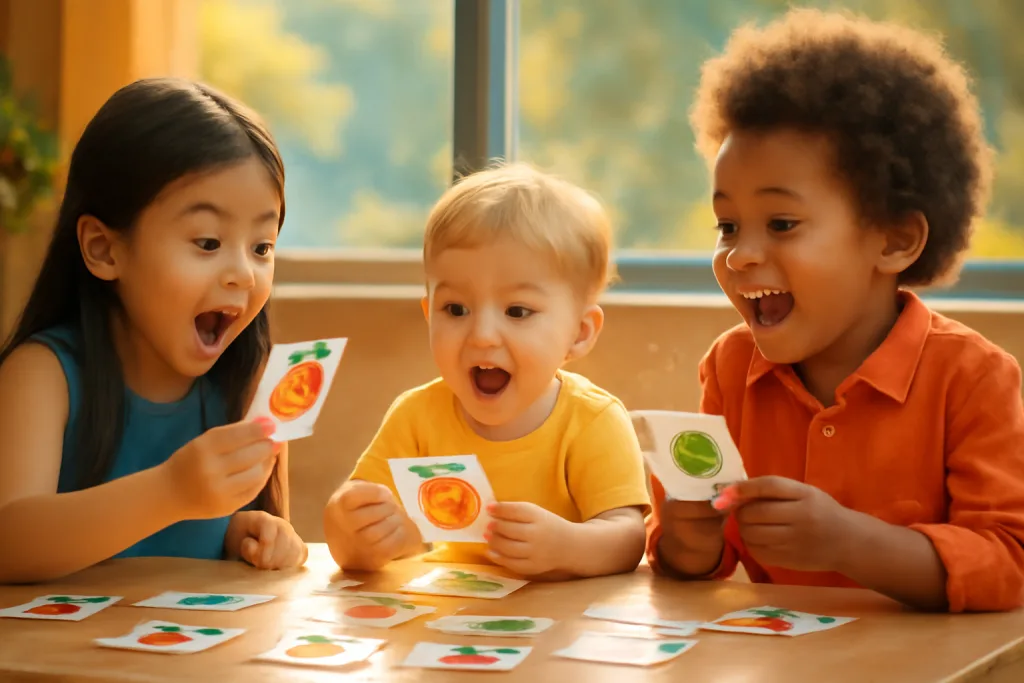
— Flashcard sprints (fast-paced, high-quality images to develop visual recognition and memory)
— Guided visualization and imagery exercises (build creative problem solving and visualization skills)
— Pattern recognition and analogical reasoning games (support abstract thinking)
— Rhythmic listening and musical activities (enhance auditory discrimination and attention)
— Photographic memory drills in playful formats (encourage rapid encoding and retrieval)
— Storytelling and creative narration (stimulate imagination, language, and emotional intelligence)
— Right-left brain integration exercises (activities combining logic with creativity)
Age groups and recommended focus
— 0–1 year: Sensory stimulation, bonding, listening to varied soundscapes, simple visual contrasts.
— 1–3 years: Rapid visual flashcards, simple storytelling, movement-and-music play, exposure to varied vocabulary.
— 3–6 years: More structured memory and visualization exercises, creative art, pattern games, beginning speed-reading concepts.
— 6+ years: Integration with school learning—critical thinking games, creative writing, accelerated reading practice.
Practical activities to do at home (15–30 minutes daily)
— Flashcard burst: 1–2 minutes of vivid picture cards shown quickly (keep it playful; not stressful).
— Visualization story: Describe a vivid scene and ask your child to imagine details—colors, sounds, smells.
— Sound detective: Play short audio clips; ask the child to identify instruments, animal sounds, or direction.
— Creative snap: Give 3 random objects and ask your child to invent a short story connecting them.
— Pattern puzzles: Use blocks or drawings to make patterns; ask child to continue or invert the pattern.
— Speed storytelling: Show a picture for 10 seconds; then have your child tell a story about it.
Emphasize encouragement and curiosity; sessions should be joyful, brief, and consistent.
How to choose a Shichida-style program in Barnaul
When evaluating local centers or instructors, consider:
— Qualifications and experience of instructors with early childhood education.
— Trial classes available so your child can experience the approach without commitment.
— Small group sizes or individualized attention.
— Clear curriculum and measurable, age-appropriate goals.
— Parent involvement: look for programs that teach you activities to continue at home.
— Safety and age-appropriate materials.
— Reviews or references from local parents.
Tip: Visit several centers in Barnaul—children’s education centers, private studios, or community centers—and observe a class before enrolling.
Integrating Shichida with everyday life and kindergarten/school
— Incorporate short sessions into daily routines (after breakfast, before nap).
— Use everyday moments—walks, grocery trips, bath time—for sensory prompts and quick memory games.
— Coordinate with your child’s kindergarten or teacher: share techniques that complement classroom learning.
— Balance structured Shichida sessions with free play, outdoor activity, and social interaction.
Evidence, expectations, and ethical notes
— Many parents report improvements in memory, focus, and creativity; however, outcomes vary by child and consistency.
— Avoid overstimulation—sessions should be short, positive, and tailored to the child’s temperament.
— The method is complementary: support it with healthy sleep, nutrition, unstructured play, and loving attention.
Finding resources in Barnaul
— Search local listings for early childhood enrichment centers, “развивающие занятия для детей Барнаул,” and parent groups.
— Ask pediatricians, kindergarten teachers, or local parent forums for recommendations.
— Visit Barnaul libraries, cultural centers, or children’s clubs for workshops or trial classes.
— Request a trial lesson and a clear curriculum outline from any center before committing.
Final tips for parents
— Start early but keep expectations realistic—small, steady gains matter more than dramatic promises.
— Make learning joyful: praise effort, curiosity, and creative thinking.
— Be an active partner: learn the exercises and practice them with your child.
— Track progress with simple notes—what the child enjoyed, attention span changes, new words or stories.
Conclusion
The Shichida Method can be a valuable framework for nurturing cognitive and creative abilities when applied thoughtfully and consistently. For parents in Barnaul, combining short, engaging Shichida-style sessions with everyday learning, quality sleep, play, and social interaction offers a balanced path to help children flourish. Start with a trial class, bring key practices into daily life, and enjoy the process of discovering your child’s potential.