
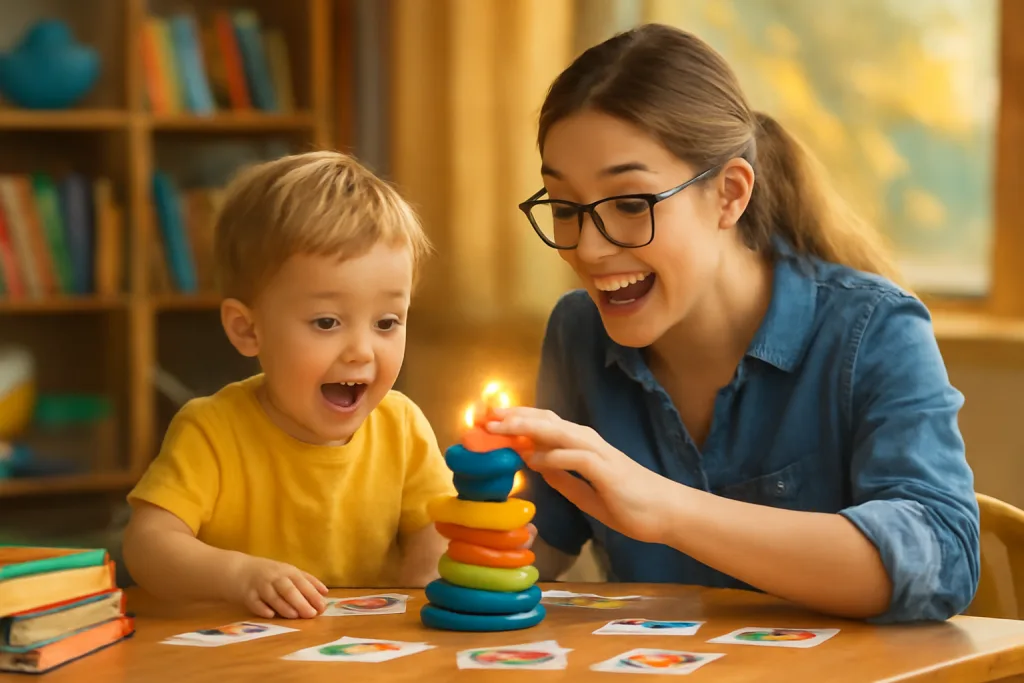
Boosting Cognitive and Creative Growth in Barnaul: A Practical Guide to the Shichida Method for Early Childhood
Early childhood is a window of extraordinary potential. The Shichida Method—originating from Japan—focuses on nurturing both sides of the brain to enhance memory, intuition, creativity, and accelerated learning. This article explains the method in plain terms, gives practical activities you can do in Barnaul, and offers a simple weekly plan to help your child develop cognitive and creative abilities from infancy through preschool.
What is the Shichida Method?
— A whole-brain approach emphasizing right-brain development (imagery, intuition, holistic thinking) alongside left-brain skills (language, logic).
— Short, daily sessions that use flash imagery, music, sensory stimulation, and play to build neural connections during critical early years.
— Strong emphasis on parent–child interaction, emotional bonding, and a low-stress learning environment.
Why it matters for cognitive and creative development
— Early, varied stimulation helps form richer neural networks, improving:
— *Memory and rapid recall*
— *Creative imagination and visualization*
— *Pattern recognition and problem-solving*
— *Attention span and listening skills*
— When combined with warm, responsive parenting, the method supports emotional security—an essential foundation for learning.
Age windows and focus areas
— 0–1 year: Sensory exposure, emotional bonding, simple visual & auditory stimuli.
— 1–3 years: Rapid vocabulary growth, imagery, basic memory games, rhythm and music.
— 3–6 years: Complex imagery, story creation, pattern recognition, early numeracy and reading preparation.
— 6+ years: Consolidation of skills—speed reading, advanced memory, logical reasoning integrated with creativity.
Core Shichida techniques you can use at home
— Flash imagery: Very brief visual displays (1–2 seconds) of pictures or scenes to build rapid recognition and visualization. Keep images positive and varied.
— Auditory stimulation: Classical music, nature sounds, and rhythm to support attention and mood.
— Sensory-rich play: Textures, scents, movement, and interactive toys—especially important during Barnaul’s long winters when indoor sensory play fills the gap from reduced outdoor time.
— Story-creation and visualization: Ask open-ended questions (“What’s behind the door?”) to encourage imagination and mental imagery.
— Memory games: Sequence recall, “find the missing toy,” and simple pattern games.
— Relaxation & right-brain activation: Soft lighting, calm music, and short visualization stories before naps/bedtime.
— Parent narration: Describe actions and scenes clearly and expressively to strengthen language and conceptual links.
Practical weekly routine (sample)
Keep sessions short (5–15 minutes) and joyful. Aim for twice daily micro-sessions plus integrated play.
— Monday–Saturday
— Morning (5–10 min): Sensory wake-up (music, gentle movement), one flash image set (2–5 images).
— Midday (10–15 min): Interactive play—memory/pattern game or story-creation.
— Evening (5–10 min): Calm visualization story or gentle listening with classical/relaxing music.
— Sunday
— Longer family session (20–30 min): Creative art, nature walk (weather permitting), or a puppet story to combine language, imagery, and emotion.
Adjust frequency by age: infants—more sensory exposure, toddlers—shorter but more frequent interactive moments, preschoolers—longer imaginative tasks.
Activities tailored for Barnaul families
— Winter indoor sensory corners: Use textured fabrics, scented jars, soft lighting and music when outdoor time is limited.
— Local library story swaps: Check Barnaul libraries or parent groups for story-time; adapt Shichida-style questions after the reading to boost imagination.
— Outdoor pattern hunts in summer: Seek shapes, colors, and sequences in parks—excellent for pattern recognition.
— Home-based “visual treasure” games: Hide bright pictures around the apartment and flash the object briefly before the child finds it.
Tips for parents (practical and realistic)
— Keep sessions positive and playful—avoid pressure or long drills.
— Consistency beats intensity: short daily routines are more effective than occasional long lessons.
— Be expressive—voice modulation and facial expression engage the child’s right brain.
— Use everyday moments: mealtimes, bath, walks—narrate and ask imaginative questions.
— Track progress loosely: note increased attention span, richer language, more imaginative play—not rigid milestones.
— Take local weather and family rhythm into account—adapt timing during Barnaul’s colder months for more indoor sensory work.
How to find Shichida resources or teachers in Barnaul
— Search local parenting groups, social networks (VK, Telegram), and community forums for Shichida-certified instructors or early childhood centers offering whole-brain programs.
— Visit libraries and cultural centers and ask about early childhood activities—many run workshops or can connect you with local practitioners.
— Consider online certified courses or virtual sessions if a local instructor is unavailable—supplement with home routines.
Frequently asked questions
— Will this make my child a genius?
— No method guarantees genius. The Shichida approach maximizes early neural potential, improving memory, imagination, and learning readiness—but outcomes vary by child.
— How long before I see results?
— Small changes (attention, curiosity, vocabulary) can appear within weeks; deeper abilities develop over months and years with consistent practice.
— Is it safe for infants?
— Yes—when done gently. Keep sessions short, positive, and suited to the child’s temperament.
Quick checklist to start today
— Create a calm, sensory-friendly corner in your home.
— Set two short daily windows (morning/evening) for 5–15 minute sessions.
— Prepare a small set of bright picture cards, a few music tracks, and 2–3 sensory toys.
— Use expressive storytelling and open-ended questions during play.
— Join a local parenting community in Barnaul for support and activity ideas.
Conclusion
The Shichida Method offers a gentle, playful roadmap to enhance cognitive and creative abilities during the most formative years. In Barnaul—where seasons shape daily rhythms—you can tailor short, consistent practices to your family’s life and environment. Start small, stay consistent, and enjoy the journey of nurturing curiosity, imagination, and learning in your child.
*Disclaimer: Individual results vary. For concerns about development or learning difficulties, consult a pediatrician or qualified specialist.*