
Introduction
The Shichida Method—developed in Japan—focuses on balanced development of both hemispheres of the brain through play, sensory stimulation, and right-brain exercises. For parents in Barnaul who want to boost their child’s cognitive flexibility, memory, imagination, and creativity, integrating Shichida principles at home and choosing the right local program can make early learning joyful and effective.
What is the Shichida Method? (Brief)
— A holistic early-childhood approach emphasizing rapid, holistic learning in the early sensitive period (typically birth to age 6–7).
— Uses short, high-frequency activities: flashcards, visualization, listening to music, pattern recognition, and creative play.
— Focuses on *right-brain* capacities (imagination, photographic memory, intuition) while supporting left-brain skills (language, logic).
Key benefits for cognitive and creative development
— Enhanced attention span and memory recall (through repeated, short practice).
— Improved imagination and creative problem solving (visualization and storytelling).
— Stronger pattern recognition and associative thinking—useful for later reading, maths, and arts.
— Positive learning habits: curiosity, relaxed focus, and readiness to explore.
Practical Shichida-based techniques you can use at home
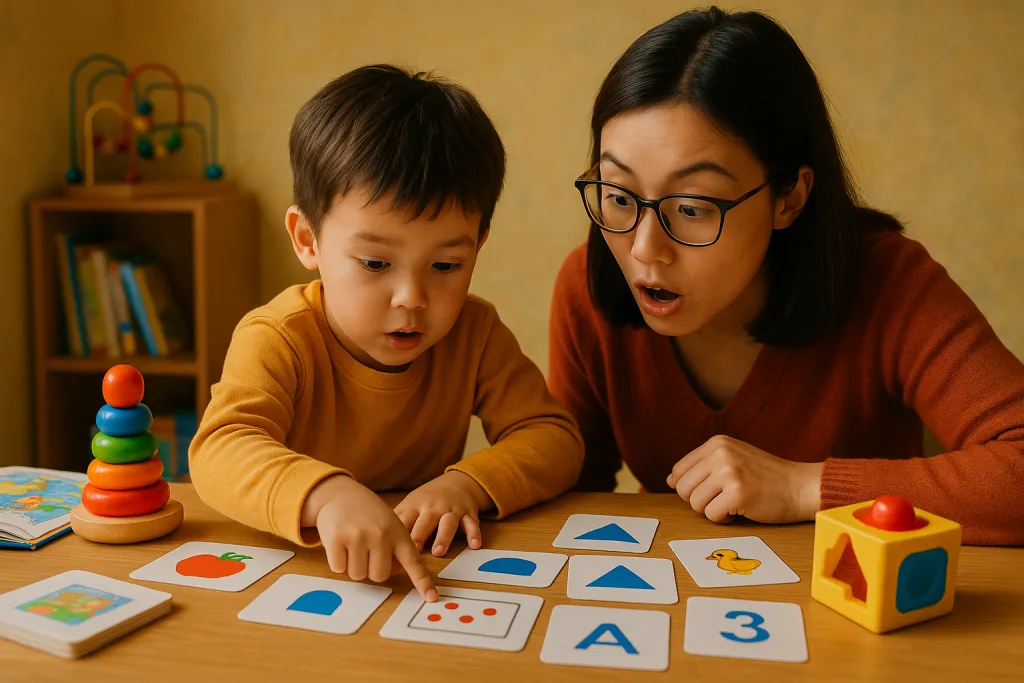
— Flashcards (10–30 seconds per card, once or twice daily): simple images, numbers, letters, or landscapes. Keep sessions short and enthusiastic.
— Right-brain relaxation/visualization (2–5 minutes): gentle music, soft lights; ask your child to imagine a scene, then tell you three details.
— Rapid-fire auditory games: quick sequences of sounds or words; ask child to repeat or point to corresponding images.
— Sensory walks around Barnaul: use parks and riverbanks near the Ob to practice observation games—count colors, textures, or sounds.
— Creative storytelling: show a photo or object and ask the child to invent a story—encourage unusual endings.
— Multi-sensory art: combine touch, smell, and sound with painting or clay to strengthen associative networks.
— Music and rhythm practice: simple clapping patterns, tempo changes, and musical games to improve memory and attention.
Age-appropriate activities
— 0–1 year: skin-to-skin, face-to-face time, simple picture flashcards, rhythmic lullabies, sensory textures.
— 1–3 years: short flashcard sessions, simple visualization, song-based memory games, exploratory outdoor play in local green spaces.
— 3–6 years: storytelling and story expansion, pattern and sequence games, more complex flashcard sets (numbers, shapes, landscapes), group creative play.
— 6+ years: transition to reading-rich activities, logic puzzles, creative writing prompts, and longer artistic projects.
Sample daily micro-routine (15–25 minutes total)
— Morning (5–8 min): quick flashcard set (images or numbers) while child is fresh.
— Midday (5–10 min): sensory play or creative drawing with a short visualization prompt.
— Evening (5 min): relaxed story or audio-visualization with soft music to consolidate the day’s learning.
Choosing a Shichida or early-childhood program in Barnaul
Ask prospective centers:
— Are teachers trained or certified in the Shichida Method?
— Can I observe a trial class or meet instructors?
— How long are sessions, and what is the child:teacher ratio?
— What materials and home-practice guidance do you provide?
— Do they emphasize play, relaxation, and multi-sensory stimulation?
Locally, look for early childhood studios, private tutors, or franchise centers advertising Shichida-style programs. Parent groups, local parenting forums, and community centers in Barnaul can give referrals.
Creating a supportive home environment in Barnaul
— Use local outings: the Ob River embankment, city parks, and museums as stimuli for observation and storytelling.
— Build a reading corner with picture books in both Russian and another language you’re comfortable with—dual-language exposure supports flexible thinking.
— Limit passive screen time; prefer active, guided screen use (short educational clips with follow-up discussion).
— Encourage free, unstructured play—essential for creativity.
Role of parents: coach, partner, observer
— Keep sessions short, positive, and consistent—young children thrive on gentle repetition.
— Model curiosity: ask open-ended questions, celebrate imaginative answers.
— Track small wins, not labels—improvements in attention, detail, or storytelling matter more than early testing results.
— Avoid pressuring performance; the Shichida approach works best when learning is relaxed and playful.
Expectations and safety notes
— Results vary—no method guarantees fixed IQ or lifelong outcomes. The goal is to support natural development, not force it.
— If a center makes medical or guaranteed claims (e.g., guaranteed genius), be cautious.
— For children with developmental concerns, consult a pediatrician or child development specialist in Barnaul before major program changes.
Resources and next steps
— Try a two-week home trial of short daily activities (flashcards, visualizations, sensory walks) and observe your child’s response.
— Connect with local parenting groups or forums in Barnaul to find recommendations for qualified Shichida instructors or early-childhood centers.
— Read introductory books and materials on the Shichida Method to learn safe, age-appropriate exercises.
— Consider a trial class at a certified program before committing long-term.
Conclusion
Combining the core ideas of the Shichida Method—short, frequent, joyful practice; multi-sensory stimulation; and imaginative play—with Barnaul’s rich outdoor and cultural spaces can help nurture your child’s cognitive and creative abilities. Start small, stay consistent, and enjoy discovering what your child can imagine and remember.