
Introduction
The Shichida Method is a holistic early-childhood education approach that emphasizes whole-brain development, speeded learning, and creative thinking through structured, short, and varied activities. For parents in Barnaul, Russia, integrating Shichida principles at home or finding local programs can help maximize your child’s cognitive flexibility, memory, imagination, and emotional confidence during the crucial early years.
What the Shichida Method Focuses On
— Balanced development of the left and right brain: logical skills (language, numbers) and right-brain abilities (visualization, intuition, pattern recognition).
— Short, high-intensity activities repeated regularly to build neural pathways.
— Use of sensory-rich experiences, rapid flashcards, storytelling, music, and visualization to stimulate memory and creativity.
— Emotional bonding and a positive learning atmosphere—parental involvement matters.
Why Early Years Matter
The brain develops most rapidly from birth to about age 6. During this window, exposure to rich, varied stimulation supports neural connections for language, memory, attention, and creative thinking. The Shichida approach aims to take advantage of this high-plasticity period with age-appropriate stimulation.
Key Benefits for Cognitive and Creative Abilities
— Improved short-term and long-term memory through frequent, varied recall tasks.
— Enhanced visual and auditory discrimination—important for reading, math, and arts.
— Greater imagination and creative problem-solving via guided visualization and storytelling.
— Increased attention span and faster information processing with brief, focused exercises.
— Stronger parent–child bond that supports motivation and emotional resilience.
Age Groups & Typical Focus
— 0–1 years: sensory stimulation, bonding routines, simple flash exposure (pictures, faces), music, rhythm.
— 1–3 years: vocabulary growth, object recognition, simple visualization games, daily memory exercises.
— 3–6 years: structured right-brain training (picture flashes, memory grids), logical foundations (numbers, letters), creative storytelling and drawing.
— 6+ years: fluency building, complex visualization, and transfer of skills to school learning.
Practical Shichida-Inspired Activities for Families in Barnaul
(Adapt these to your child’s age; sessions are short—usually 5–15 minutes—and frequent.)
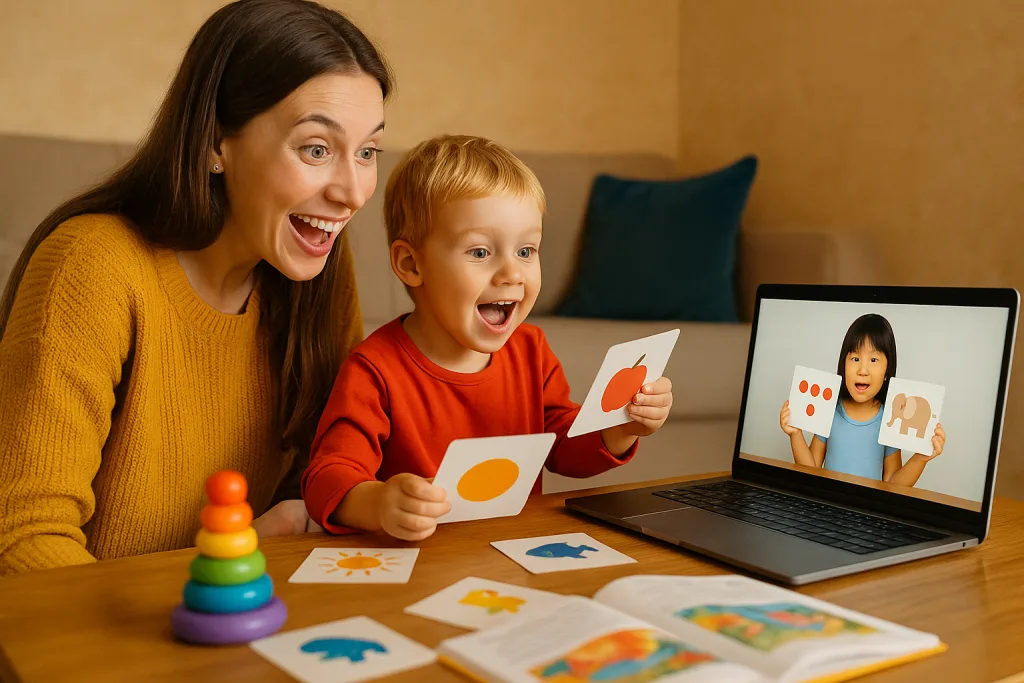
— Flashcard bursts: Show simple images or words quickly (1–2 seconds) and ask the child to describe or recall. Use local themes (Siberian wildlife, seasonal scenes) to make it engaging.
— Visualization walks: After a short nature walk in a Barnaul park, ask your child to close their eyes and describe details they remember—colors, sounds, shapes.
— Story expansion: Read a short story, then ask your child to invent three alternate endings or add one scene to the story.
— Memory grids: Place a few small toys on a tray, let the child look for 10–15 seconds, then cover and ask what they remember.
— Rapid naming games: Flash letters, numbers, or pictures quickly and encourage instant naming to speed retrieval.
— Music and rhythm: Use Russian lullabies and folk tunes to build pattern recognition and emotional connection.
— Creative drawing with prompts: Give a simple prompt (e.g., “draw an imaginary Siberian animal”) and encourage unusual combinations.
— Multisensory Play: Incorporate tactile materials (snow, sand, fabrics) during winter and summer to reinforce sensory memory.
Sample Weekly Routine (for busy families)
— Daily 5-minute visualization or flashcard session.
— 10–15 minutes, three times a week—memory grid or rapid naming.
— One weekend longer session (20–30 minutes)—storytelling, nature walk + visualization, or art project.
— Consistent bedtime routine with a short imaginative story to consolidate learning and emotional security.
How to Find or Evaluate Shichida Programs in Barnaul
— Look for certified instructors or centers that openly describe Shichida techniques and provide trial lessons.
— Ask about class size, instructor training, and how they adapt exercises per age.
— Request to observe a class or take a trial class to see the pace and atmosphere.
— Read reviews from other local parents or ask in Barnaul parenting groups (social media, community centers).
— Consider hybrid: a local class plus daily home practice for best results.
Tips for Successful Home Practice
— Keep sessions short, consistent, and positive—end while your child is interested.
— Focus on variety: mix visual, auditory, tactile, and movement-based activities.
— Prioritize emotional safety: praise effort, not only correct answers.
— Make it local and relevant: use Barnaul landscapes, seasonal activities, and family stories.
— Track progress with simple notes (what worked, which themes interest your child).
Seasonal Considerations for Barnaul Families
— Winter: Use indoor visualization, tactile activities (textured materials), and music-based sessions. Use windows to describe changing weather and light.
— Spring/Summer: Leverage parks and riverbanks for sensory walks and observation-based memory games.
— Festivals/Local Culture: Incorporate Russian folk tales, holidays, and local crafts to strengthen cultural identity and imagination.
Resources to Explore
— Books and materials on early brain development and memory techniques (look for reputable authors and translations).
— Online Shichida communities and educational videos for demonstrations.
— Local parenting groups in Barnaul for recommendations on instructors and classes.
Final Recommendations
— Start small and stay consistent. Even 5 minutes daily can build powerful habits.
— Combine formal lessons (if available) with rich home environments—talking, reading, playing, and exploring together.
— Seek instructors who emphasize both cognitive training and emotional support.
— Observe and adapt: follow your child’s interests and energy levels to keep learning joyful and effective.
For parents in Barnaul looking to begin: try a short daily visualization or flashcard routine this week, join a local parenting forum to ask about Shichida programs near you, and schedule a trial class with any promising center to see if their approach fits your child.