
Introduction
Early childhood is a brief, powerful window for developing memory, attention, imagination and creative thinking. For parents in Barnaul seeking a structured, research-informed approach, the Shichida method offers specific tools and daily practices designed to stimulate both the left and right brain—helping children build cognitive foundations while nurturing creativity and emotional balance.
What is the Shichida Method?
Developed by Japanese educator Dr. Makoto Shichida, the method focuses on early right-brain training and whole-brain development. Key elements include:
— Short, frequent sessions tailored to babies and preschoolers
— Rapid visual presentation (flash-style exposure) to enhance recognition and memory
— Multi-sensory activities—music, rhythm, tactile play, and guided imagery
— Emphasis on intuition, creativity, concentration and emotional intelligence, not just rote learning
Why it matters for cognitive and creative abilities
Applied appropriately, Shichida-inspired activities aim to:
— Improve attention span and working memory through consistent, focused practice
— Strengthen visual and auditory processing—useful for reading and language development
— Encourage divergent thinking and imaginative problem-solving via story, imagery and symbolic play
— Support emotional resilience and curiosity—critical for lifelong learning
Note: Outcomes vary by child and depend on consistency, quality of instruction, and supportive home environment.
How the approach fits families in Barnaul
Barnaul’s riverside parks, museums and family-friendly cultural life provide rich, local stimuli to pair with Shichida-style training:
— Use short sessions outdoors along the Ob River or in neighborhood parks to reinforce sensory learning
— Local libraries and museums offer visual and narrative material for storytelling and picture-recognition activities
— Multilingual exposure (Russian, possibly English) during play and songs boosts auditory discrimination and later language skills
Practical, age-specific activities you can do at home
Keep sessions brief (5–20 minutes depending on age), positive and playful.
— Ages 0–12 months
— Short, high-contrast flash picture moments (1–3 seconds) during wakeful, calm times
— Gentle music, rhythmic rocking and “speed listening” (soft, fast-paced language/poetry)
— Mirror play and tactile exploration
— Ages 1–3 years
— Fast-picture recognition games with familiar objects and places in Barnaul (park, river, animals)
— Storytelling using vivid imagery—encourage your child to imagine endings or details
— Musical games and clapping rhythms for auditory sequencing
— Ages 3–6 years
— Creative visualization exercises: imagine and “paint” a scene orally, then draw it
— Short memory chains (add one item each turn) and pattern games using local surroundings
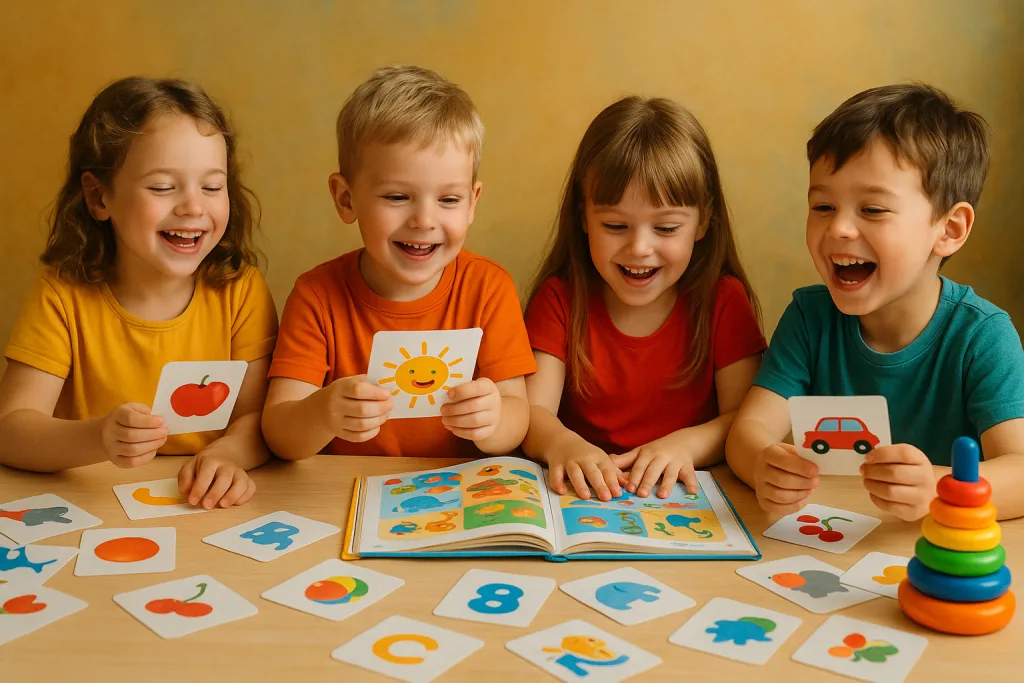
— Speed-recognition cards for words, pictures or numbers—keep sessions playful and low-pressure
— Ages 6+
— Guided creative projects (building, dramatic play, storytelling) that require planning and imagination
— Introduce logic games, lateral-thinking puzzles and timed creative challenges
Sample weekly micro-routine (for preschoolers)
— Daily: 5–10 minutes of flash-picture recognition + 5 minutes of music/rhythm
— 3×/week: 10–15 minutes of storytelling/creative visualization
— Weekend: 20–30 minute nature exploration (observe, describe, draw)
Consistency and short duration trump longer, infrequent sessions.
Choosing a local Shichida or early-development program in Barnaul
When evaluating programs or instructors:
— Ask about formal Shichida certification and experience with specific age groups
— Observe a trial class: is it child-led, playful and positive? Are sessions short and varied?
— Request a clear curriculum outline and at-home activity suggestions
— Check parent references and ask to see practical progression milestones
— Ensure small group sizes and safe, stimulating materials
Tracking progress—practical milestones
Track simple, observable signs rather than abstract claims:
— Longer focused play sessions (by minutes)
— Faster recognition of familiar pictures or words
— Increased originality in play and story ideas
— Improved listening during short instructions
Record weekly notes and short videos (with consent) to see change over months.
Safety, evidence and balanced expectations
— The Shichida method emphasizes early stimulation but is not a magic fix. Benefits depend on consistency, variety and emotional support.
— Some components (flash exposure, speed listening) are best done by trained instructors to avoid overstimulation.
— Combine Shichida-style techniques with free play, social interaction and healthy routines (sleep, nutrition, outdoor time).
Resources and next steps in Barnaul
— Start with a short reading list: books and materials by Makoto Shichida and reputable early-childhood development guides.
— Visit local libraries, family centers and parent groups to find recommendations for certified instructors.
— Try a trial lesson or small in-home routine for 4–6 weeks and observe how your child responds.
— Use Barnaul’s natural and cultural resources—walks along the Ob River, museum exhibits, and public events—to enrich visual and sensory material for lessons.
Final note
Early, loving stimulation combined with structured, short activities can powerfully support both cognitive skills and creative thinking. In Barnaul’s rich local environment, a thoughtfully applied Shichida approach—balanced with play, rest and social time—can help your child grow into a curious, attentive and creative learner. Consider starting small, stay consistent, and choose instructors who emphasize child-centered, joyful learning.