
Introduction
Early childhood is a unique window when a child’s brain is extraordinarily receptive to learning. The Shichida Method — a whole-brain approach developed by Dr. Makoto Shichida — focuses on accelerating cognitive and creative development in infancy and early childhood. For parents in Barnaul, this method can be adapted to local life, culture and routines to nurture sharper memory, better attention, faster comprehension and richer imagination.
What is the Shichida Method?
— A structured early-learning approach aimed primarily at children from infancy to about 6–7 years old, with techniques extending into later childhood.
— Emphasizes *right-brain* development (intuition, image memory, creativity) alongside left-brain skills (language, reasoning).
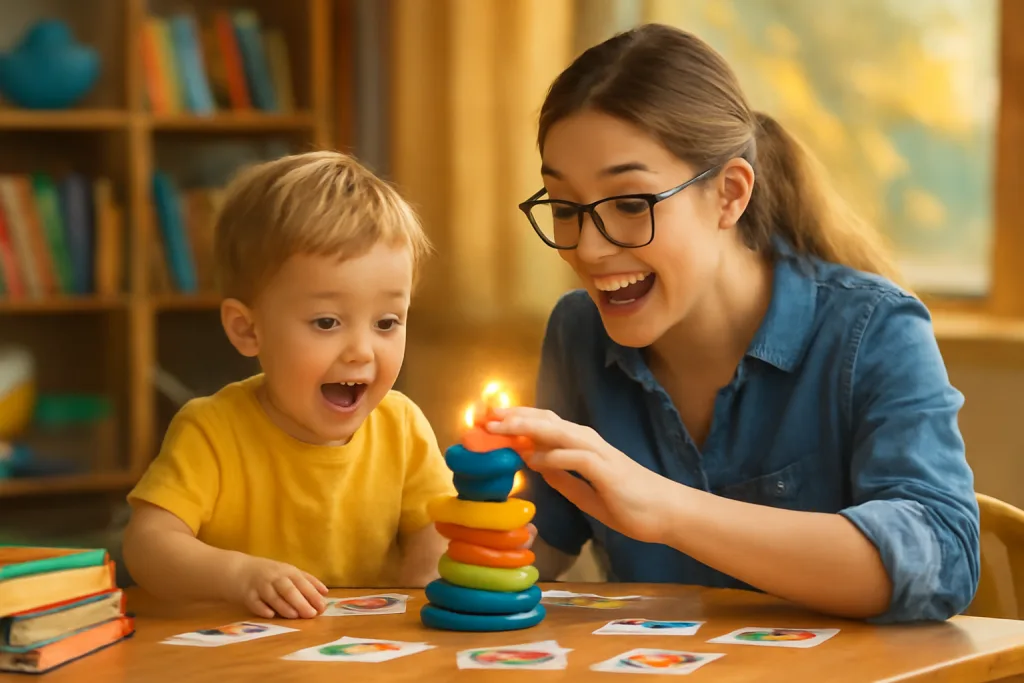
— Uses short, stimulating sessions: picture flashes, memory games, music, pattern recognition, visualization and creative storying.
— Focuses on bonding, enjoyment, and low-pressure repetition rather than rote drilling.
Key benefits for cognitive and creative growth
— Better visual memory and fast information uptake (picture/flash training).
— Improved concentration and listening skills (focused, short activities).
— Enhanced creativity and imagination through story-building, drawing, and multisensory play.
— Quicker intuitive problem-solving and pattern recognition.
— Stronger parent–child attachment through guided play and eye contact.
How the method enhances thinking and creativity (in plain terms)
— Fast, brief exposures to images and patterns encourage the brain to form strong visual snapshots — useful for memory and spatial thinking.
— Multisensory activities (sound, touch, movement) build rich associations — the foundation of imagination and creative thought.
— Frequent short sessions prevent fatigue and keep the child engaged, which supports sustained curiosity and learning.
— Story creation and open-ended play train children to make novel connections — the essence of creativity.
Practical activities you can do at home (Barnaul-friendly)
These require minimal materials and fit into daily life:
— Flash Picture Game: Show a bright picture (0.5–2 sec) then ask a simple question: “What color was the hat?” Keep exposures short and positive.
— Nature Image Walks: Use the Altai landscapes and city parks — show a photo briefly and ask the child to find a similar shape or color in nature.
— Sound Mapping: Play short sounds (birdsong, water, bell). Ask the child to point or pick a toy that matches the sound’s mood.
— Quick Story Sparks: Show three random pictures and have your child invent a one-sentence story connecting them.
— Memory Tray: Put 6–8 small objects on a tray for 10–20 seconds, cover, then ask the child to recall as many as possible.
— Sensory Paths: Create a short barefoot trail at home with different textures (soft, smooth, pebble-like). Encourage descriptive talk.
— Creative Drawing Prompts: Give an abstract scribble and ask the child to turn it into a picture — fosters imagination.
— Rhythm & Movement: Clap short rhythms and have the child echo them; combine with free dance for emotional expression.
Aim for many short sessions (5–20 minutes total spread through the day) rather than one long lesson.
Sample weekly routine (busy Barnaul family)
— Daily morning (5–10 min): Flash picture + one memory tray.
— Midday (10–15 min, after nap): Nature walk or sound-mapping activity.
— Evening (10–15 min): Story spark + creative drawing; end with gentle visualization/relaxation.
— Weekend (30–60 min): Playdate or family outing with open-ended exploration (museum corner, park scavenger hunt).
Choosing a Shichida or early-development center in Barnaul
When evaluating local options, look for:
— Certified instructors or a transparent curriculum (ask about teacher training in the Shichida method).
— Small group sizes and individualized attention.
— Trial lesson availability — observe how children respond.
— Emphasis on play, rest and family involvement (not forceful pressure).
— Positive parent testimonials and the option to watch a session.
Search tips in Russian to find local options:
— «курс Шичида Барнаул», «метод Шичиды Барнаул», «раннее развитие Барнаул».
Check social media groups for Barnaul parents and ask for recent recommendations.
Safety and realistic expectations
— The Shichida Method is not a magic guarantee of genius. It maximizes early brain plasticity but outcomes vary.
— Avoid pressure: high intensity or long sessions can stress a child and be counterproductive.
— Complement training with healthy sleep, nutrition, social play and time outdoors in the Altai surroundings.
— If a program makes unrealistic claims (IQ guarantees, “perfect memory” promises), ask for evidence and references.
Frequently asked questions
— What ages benefit most? 0–6 years is the prime window; younger children benefit from sensory and bonding activities.
— How often should we practice? Short daily interactions (many times per day) are better than occasional long sessions.
— Can we do this without joining a center? Yes — many effective Shichida techniques are parent-led with simple materials.
— Do Russian-language materials exist? Yes — look for local teachers, translated materials, and adapt international resources to Russian culture and language.
Localizing the method in Barnaul
— Use local imagery (Altai nature, the Ob River, local landmarks) for flash-card and story work — culturally relevant content improves engagement.
— Join local parent meet-ups or playgroups to share ideas and find practice partners.
— Take advantage of Barnaul’s parks and seasonal changes for sensory-rich experiences year-round.
Resources & next steps
— Try a few short activities from this article for a week and observe your child’s attention and joy.
— Search for nearby classes using terms like: «Шичида Бар